
Nov 26 2025
Nestled in the lap of the himalayas, Himachal Pradesh is known for its natural beauty, peaceful lifestyle, and strong focus on education. Over the years, the state government has made big efforts to improve schooling in remote regions. But even today, many students living in far-flung villages face challenges such as lack of good infrastructure, limited access to books, early-age dropouts, and shortage of trained teachers.
To fill these gaps, Educational NGOs have stepped in like guiding lights. They work quietly but powerfully, bringing learning opportunities to children who might otherwise be left behind. Their efforts help build a brighter future for the youth of Himachal Pradesh.
Why Educational NGOs Are Important in Himachal Pradesh
Even though Himachal Pradesh has one of the highest literacy rates in India, the situation is not the same everywhere. Many tribal belts, high-altitude regions, and rural pockets lack proper educational support. Here are some common issues students and families face:
Some villages are located on steep hillsides or deep inside forested areas. Children often have to walk long distances—sometimes more than an hour—to reach school. This becomes difficult during winters, heavy rains, or snow.
Many government schools lack proper classrooms, furniture, science labs, sports equipment, or toilets. Without basic facilities, learning becomes less effective.
Remote schools often face teacher shortages. Sometimes only one or two teachers handle multiple classes, which affects academic quality.
In certain regions, parents are not fully aware of the long-term benefits of education. Some still encourage children to leave school early to help with farming or household work.
Educational NGOs in Himachal Pradesh focus on many different areas to uplift the quality of education. Here are some of their major contributions:
1. Running Learning Centres in Remote Villages
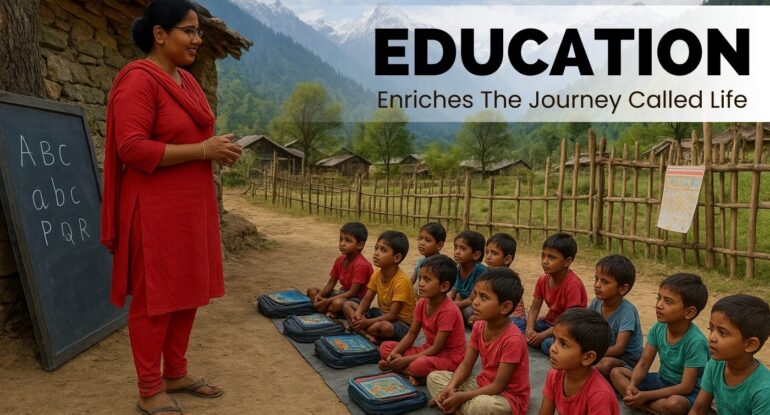
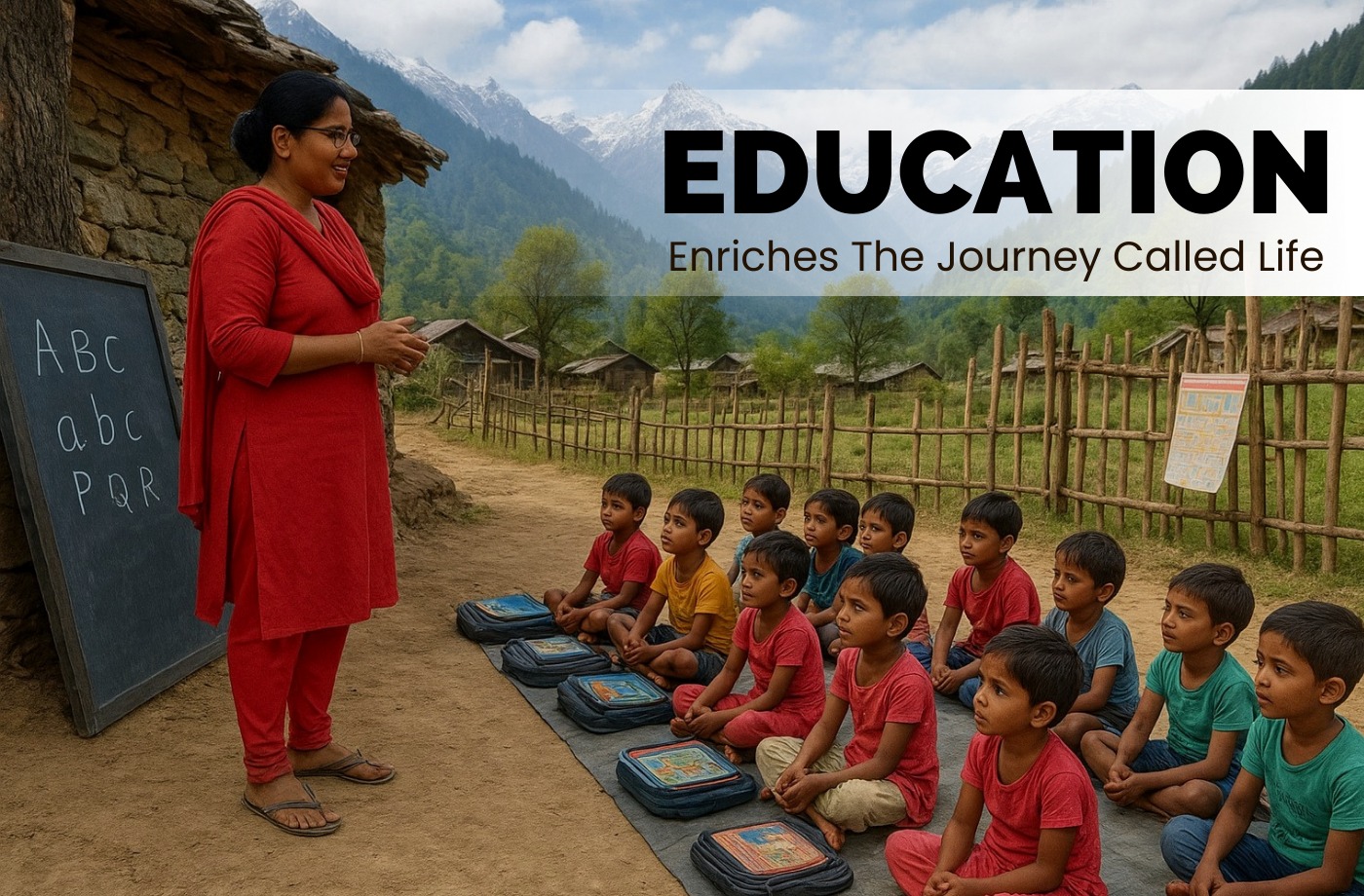
Many NGOs open community learning centres in areas where access to schools is difficult. Children can attend extra classes, receive homework help, and participate in fun learning activities. These centres often become safe spaces for learning and creativity.
2. Teacher Training and Skill Development
Quality teaching is the backbone of a strong education system. NGOs organize training camps, workshops, and digital training for teachers. They help teachers improve their methods, learn new techniques, and handle classrooms better.
3. Improving School Infrastructure
Several NGOs help improve or build school facilities such as classrooms, toilets, boundary walls, playgrounds, and libraries. Better facilities make school more attractive and comfortable for children.
4. Organizing Awareness Drives and Community Meetings
To change mindsets, NGOs conduct awareness campaigns about the value of education, gender equality, and child rights. They also talk to parents about the dangers of early marriage and encourage them to support their children’s learning journeys.
5. Focus on Girls’ Education
Girls in some remote regions often face additional challenges. Many NGOs specifically work to promote girls’ education, provide sanitary kits, run safety workshops, and create confidence-building programs. As a result, more girls continue their schooling and dream of career opportunities.
Educational NGOs conduct creative and impactful activities throughout the year. These include:
These activities make learning enjoyable and help children discover their strengths.
Thanks to the continuous work of various NGOs, the educational landscape of Himachal Pradesh has seen many positive changes:
1. Reduced Dropout Rates
With better facilities, awareness programs, and financial aid, fewer children leave school early.
2. Improved Learning Outcomes
Extra support classes and modern teaching methods help students score better and understand subjects more deeply.
3. Boost in Confidence and Life Skills
Through workshops and interactive sessions, children learn communication, leadership, teamwork, and creativity.
4. Greater Community Participation
Villagers and parents are now more involved in school activities, leading to a stronger community-school relationship.
Even though these NGOs work with passion and dedication, they also face many obstacles:
Despite these challenges, NGOs continue their mission with hard work and innovation.
For Himachal Pradesh to achieve even greater progress in education, collaboration is key. Government bodies, NGOs, local communities, businesses, and volunteers must work together.
Some future steps that can bring massive change include:
With such efforts, education can truly reach every corner of the state.
Educational NGOs in Himachal Pradesh are doing remarkable work by bringing quality learning to children who live in difficult and remote areas. They act as bridges—connecting students to opportunities, teachers to training, and communities to awareness. Their work not only improves textbooks and classrooms but also gives children hope, confidence, and dreams.
In a state shaped by mountains, natural beauty, and warm-hearted people, these NGOs are helping build a future where every child, no matter how far they live, gets the chance to learn and grow. By supporting educational NGOs, we support the development of the entire state—and ensure that the children of Himachal Pradesh step into a brighter, stronger tomorrow.




Leave A Comment